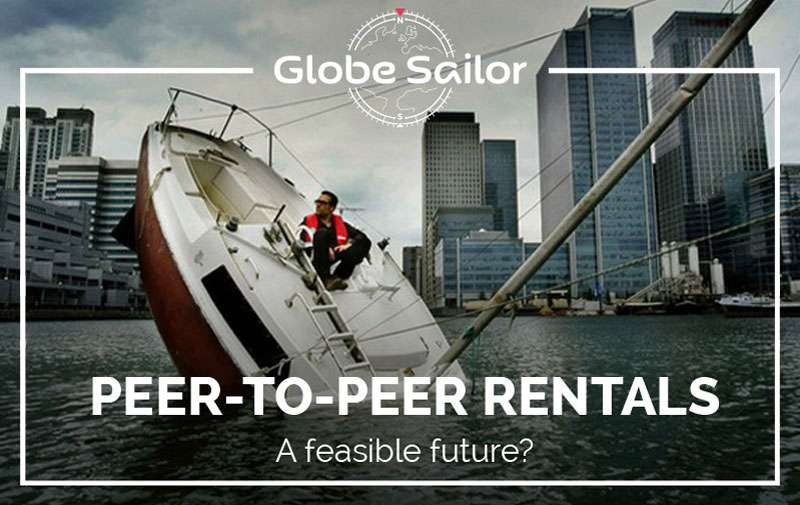
Peer-to-Peer Boat Rentals are Starting to Sink…
Peer-to-peer boat rental platforms emerged with a simple promise: connect private boat owners with people looking to get out on the water. Often described as the “Airbnb of the sea”, these services attracted owners, customers and investors alike.
But how did the market develop, and did the business model live up to expectations? This article looks back at the sector’s early growth around 2014–2017.
Dozens of Start-Ups Entered the Market — FACT
Following the success of peer-to-peer car rentals, numerous boat rental platforms appeared in France and abroad.
Early examples included:
- France: SailSharing, Lebonvoilier.fr, Boaterfly, Click & Boat and SamBoat
- Europe: Enaviga, Tubber, Nautal and Boatify
- United States: Sailo, BoatBound and GetmyBoat
Their approach was straightforward: allow private owners to advertise their boats and connect with potential renters through an online platform.
Thousands of Owners Listed Their Boats — FACT
For owners who rarely used their boats, renting them out offered a way to offset some of the costs of ownership.
The appeal was clear:
- Additional income to help cover ongoing expenses
- Simple online listings with photographs, descriptions and prices
- Access to potential customers beyond personal contacts
For renters, these platforms offered another way to find a boat, particularly for a day or weekend on the water.
Customers Were Booking — FACT
Although some platforms struggled to survive, others attracted investment and reported growing booking activity.
During the sector’s early expansion:
- Private and institutional investors backed several platforms.
- Some operators reported rental enquiries worth millions of euros.
- Certain platforms announced hundreds of daily boat rentals during summer 2017.
These figures suggested demand, but enquiries, confirmed bookings and company revenue are different measures. They should not be treated as interchangeable indicators of success.
The Business Model Was Highly Profitable — FICTION
Growing booking numbers did not automatically translate into profitability.
At the time, two operators interviewed for this article reported earning an average commission of approximately €70 per booking. At a commission rate of 15%, that would imply an average booking value of around €467.
Much of the activity involved:
- Boats under approximately eight metres
- Day trips and weekend rentals
- Relatively low booking values
This created a difficult balance. Platforms needed to cover customer acquisition and operating costs while working in a seasonal market with strong competition.
The challenge was to increase booking volume, revenue per booking, or both.
The Market Began to Consolidate — FACT
As competition intensified, some companies joined forces or were acquired.
Examples discussed during this period included:
- The merger of BoatBound and Boatsetter in the United States
- The acquisition of SailSharing by Click & Boat
- The acquisition of Boaterfly by Dream Yacht Charter
These developments illustrated the pressure on operators to build scale and establish a sustainable business.
Professional Fleets Became Part of the Model
Several platforms expanded beyond private listings to include boats supplied by professional charter companies.
For platforms, this offered opportunities to provide:
- More destinations and a wider selection of boats
- Additional services for customers
- Higher-value bookings and greater commission potential
The result was a shift towards a mixed marketplace, with private owners and professional operators appearing on the same platform.
For customers, this made one distinction particularly important: who is actually providing the boat and the service?
What Should Renters Take Away?
The early growth of peer-to-peer boat rentals demonstrated demand for accessible boating experiences. It also revealed the challenges of turning that demand into a profitable platform business.
When comparing offers, look beyond the advertised price and check:
- Whether the provider is a private owner or professional charter company
- What equipment and services are included
- Which insurance arrangements apply
- Who provides assistance before and during the rental
- The booking, cancellation and deposit conditions
Understanding the offer helps you choose a boat and level of support that suit your sailing plans.
Historical perspective: the companies, figures and transactions discussed reflect the market around 2014–2017 and do not describe its current state.