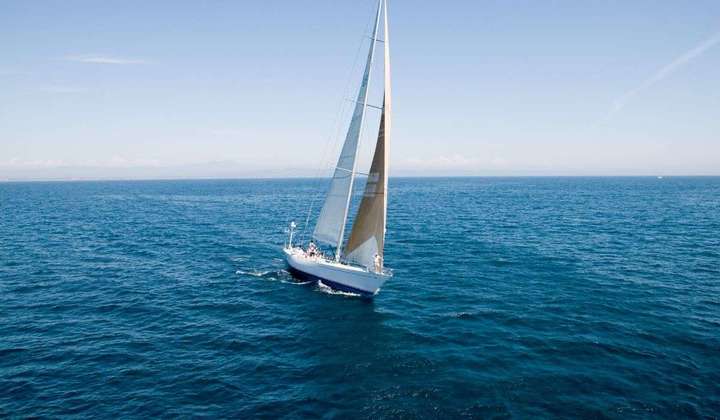
Everything you need to know about the Security deposit repurchase for your Yacht Charter
When booking a boat charter, you may be offered security deposit insurance or a damage waiver. Both can reduce your financial exposure if the boat is damaged, but they work differently.
Before choosing an option, check what it covers, whether you still need to leave a deposit and which costs remain your responsibility.
Security deposit, insurance excess and deposit insurance: what is the difference?
These terms can be confusing. Here is what they mean:
- Security deposit: The amount you leave with the charter company as security against damage or other charges covered by your charter contract.
- Insurance excess: The amount that remains payable under the boat’s insurance policy when an insured claim occurs. It may differ from your security deposit.
- Security deposit insurance: A separate policy that may reimburse an eligible amount retained from your deposit, subject to its terms.
- Damage waiver: An option offered by the charter company that may reduce your deposit or liability for certain damage. A remaining deposit and exclusions may still apply.
Always check which arrangement is being offered. Deposit insurance and a damage waiver are not interchangeable.
How does security deposit insurance work?
With a separate deposit insurance policy, you generally still leave the agreed security deposit with the charter company.
If damage occurs, the process usually involves:
- Reporting the damage to the charter company and insurer.
- Documenting the incident with photographs, a damage report and supporting paperwork.
- Obtaining an itemised statement explaining any amount retained from your deposit.
- Submitting a claim for reimbursement under your policy.
The insurer assesses whether the claim is covered. A policy excess, reimbursement limit or exclusion may affect the amount paid.
A simple example
You leave a €4,000 security deposit, and the charter company retains €2,000 following damage.
If the claim is accepted, your deposit insurance may reimburse the eligible amount, less any applicable policy excess. Reimbursement is not automatic: it depends on the cause of the damage and your policy wording.
What does deposit insurance cover?
Cover varies between policies. Some focus on damage arising from specified boating accidents, while others offer different levels of protection.
Before taking out a policy, check:
- Covered incidents: Which types of collision, grounding or other accidental damage are included?
- Equipment: Are sails, the dinghy and the outboard motor covered?
- Minor damage and missing items: Are these included or excluded?
- Special activities: Does the policy cover your planned use, including any regatta participation?
- Policy excess: How much would you still pay yourself?
- Reimbursement limit: Does it match the deposit you need to protect?
Some policies use specific definitions, such as a “sea event”, to determine whether an incident qualifies. Read these definitions carefully rather than assuming all damage is covered.
How much does deposit insurance cost?
The premium depends on the provider and the cover selected. Factors may include:
- The security deposit amount.
- The charter duration and sailing area.
- The policy’s excess and reimbursement limit.
- Any additional cover or administration fees.
Ask for a quote based on your booking and compare the policy terms alongside the price.
Is deposit protection compulsory?
It depends on the charter company and your booking conditions.
Some operators require a damage waiver, particularly for certain boats or charters with a professional skipper. You may still need to leave a reduced deposit for items or incidents outside the waiver.
Having a skipper on board does not automatically remove your responsibilities under the charter contract. Ask the operator to explain who is responsible for damage and which deposit arrangements apply.
What should you check before booking?
Before accepting deposit insurance or a damage waiver, confirm:
- Which product you are buying.
- How much deposit you must leave at the base.
- Which damage and equipment are covered.
- What excess or remaining liability applies.
- How to report an incident and claim reimbursement.
Your GlobeSailor advisor can help clarify the options available for your charter. For confirmation of insurance cover, refer to the insurer and your policy documents.